A clear guide to pain, swelling, rehabilitation, daily activities, and exercise after surgery
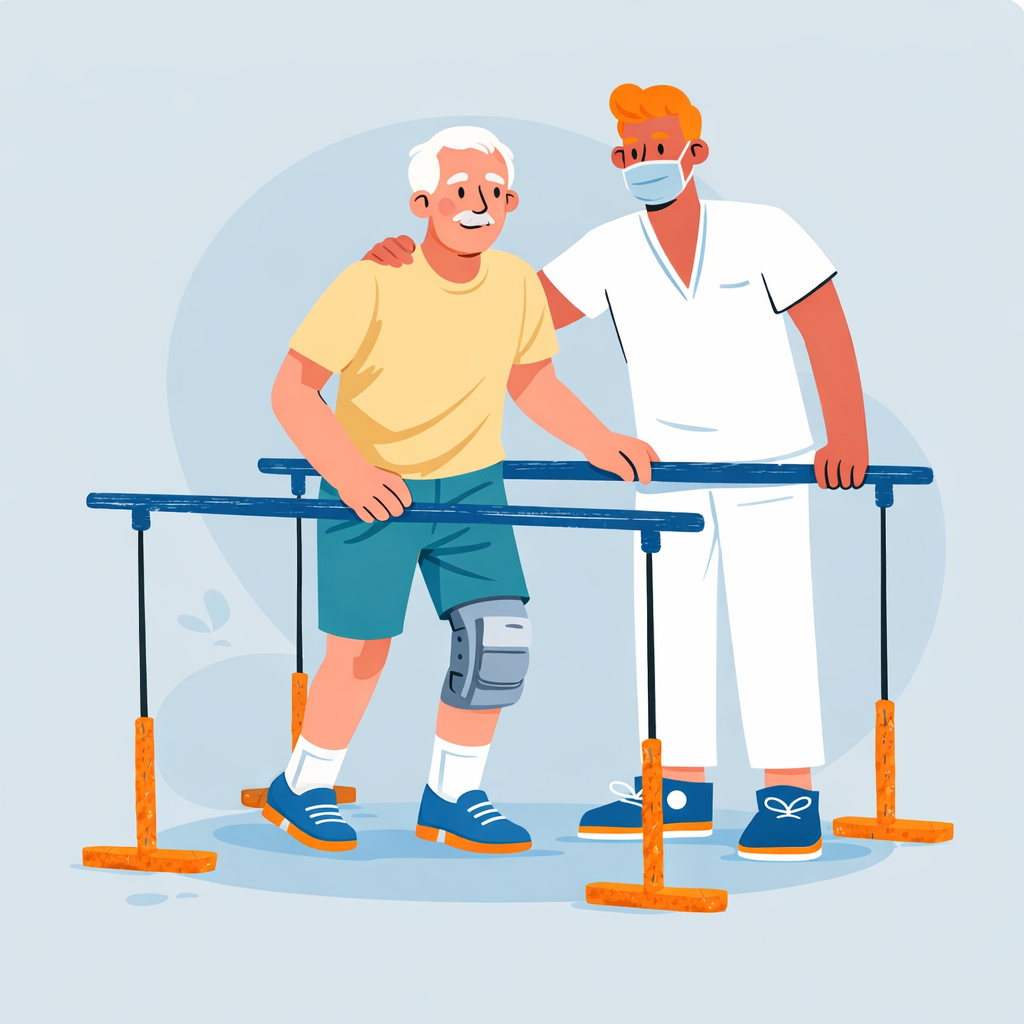
After outpatient visits, it is very common for patients to return to the clinic after being discharged from surgery and ask questions like these:
“The surgery went well, but I’m still in a lot of pain. Is this normal?”
“The swelling is lasting longer than I expected. Should I be worried?”
“I’m not sure when it’s safe to start moving again.”
While the surgery itself is important,
how postoperative care is managed can significantly affect both recovery speed and overall outcomes.
In this article, we will calmly and clearly review the most common concerns after orthopedic surgery, including:
- Pain
- Swelling and bruising
- Rehabilitation and exercise
- Returning to daily activities
all in one place.
Why do discomfort and symptoms occur after orthopedic surgery?
Orthopedic surgery aims to repair damaged structures,
but during the process, tissues such as the skin, muscles, ligaments, and bones are inevitably affected.
As a result, after surgery it is normal to experience:
- Pain
- Swelling and bruising
- Discomfort with movement
for a certain period of time as part of the normal healing process.
What matters most is distinguishing whether these symptoms fall within a normal recovery range
or whether they represent signs that require further medical evaluation.
Postoperative pain: what is considered normal?
For most orthopedic surgeries, postoperative pain typically:
- Is most severe during the first 2–3 days after surgery
- Gradually improves over time
Features of normal postoperative pain
- Pain increases with movement and improves with rest
- Pain is at least partially controlled with prescribed pain medication
- Symptoms gradually improve day by day
In these cases, pain is usually part of the normal recovery process.
When postoperative pain requires medical attention
The following pain patterns should be evaluated by a healthcare professional:
- Pain that does not improve at all over time
- Pain that gradually worsens instead of improving
- Severe pain even while resting
- Pain accompanied by increasing swelling or warmth
- Pain that does not respond to prescribed medications
In such cases, it is important to determine whether the symptoms represent normal healing or another underlying issue through proper medical evaluation.
Many patients worry that ongoing pain means something went wrong with surgery.
If you’d like a clearer explanation of what postoperative pain is considered normal — and when it may signal a problem — you can read our detailed guide below:
👉 Is Pain After Surgery Normal?
Swelling and bruising after surgery: how long do they last?
Swelling and bruising are very common after orthopedic surgery
and result from vascular injury and normal tissue response.
Typical course of swelling and bruising
- First 2–3 days after surgery: swelling is usually at its peak
- Gradual reduction over time
- Mild swelling or discoloration may persist for several weeks to months, depending on the surgical site
In surgeries involving the lower extremities—such as the ankle or knee—
swelling often lasts longer due to gravity causing fluid accumulation.
When swelling requires medical evaluation
You should return for evaluation if:
- Swelling suddenly worsens
- Swelling is accompanied by warmth and increasing pain
- Drainage or discharge is observed from the surgical wound
Although swelling and bruising are usually part of normal healing,
some symptoms may indicate infection rather than routine recovery.
Learn the key warning signs that should never be ignored:
👉 5 Warning Signs of Infection After Surgery
Rehabilitation and exercise: when should they begin?
The timing of rehabilitation and exercise after surgery varies greatly depending on:
- The type of surgery performed
- The individual patient’s healing progress
In general, for many orthopedic fracture surgeries, rehabilitation often begins approximately 1–2 weeks after surgery, once the surgical wound has largely healed.
The type and pace of rehabilitation are determined by the fracture pattern, associated injuries, and overall condition.
Understanding the basic principles of rehabilitation can help patients better follow their treatment plan:
- Early phase: pain and swelling control, wound healing (approximately 1–2 weeks)
- Middle phase: restoration of joint range of motion
- Late phase: strength recovery and functional training, including balance
Exact timelines and rehabilitation methods vary, so
following the guidance of the treating medical team is the safest approach.
Returning to exercise is one of the biggest concerns after fracture surgery — especially for active patients.
Because rehabilitation progresses step by step, we explain the full recovery process in this article:
👉 I Had Ankle Fracture Surgery — How Should Rehabilitation Be Done, and When Can I Run Again?
When can daily activities be resumed?
This is one of the most frequently asked questions after surgery.
“When can I take a shower?”
“When is it safe to drive again?”
“When can I return to work?”
One of the most common questions after surgery is about showering.
Because the safe timing depends on wound healing and surgical type, we explain this topic in detail here:
👉 When Can I Shower After Surgery?
The answer depends on both the type of surgery and the individual recovery process.
However, some general principles apply.
Key factors when considering a return to daily activities
- Whether pain is reasonably well controlled
- Whether you can safely respond to sudden movements or unexpected situations (especially important when driving)
Returning to daily activities too early, before these criteria are met,
may increase the risk of injury or delay recovery.
Symptoms that require prompt medical attention
If any of the following symptoms occur after surgery,
you should seek medical evaluation:
- Increasing pain rather than gradual improvement
- Significant swelling or warmth around the surgical site
- New onset of numbness, tingling, or weakness
- Pus-like discharge or persistent drainage from the wound
- Persistent fever
These findings may indicate the need for additional evaluation or treatment rather than normal healing.
Patients who undergo fracture surgery often ask whether plates or screws must eventually be removed.
The answer depends on symptoms, location, and individual factors.
You can find a clear explanation here:
👉 Do Surgical Plates and Screws Need to Be Removed After Fracture Surgery?
A final message from the clinic
Recovery after surgery differs for every patient—
both in speed and in how symptoms are perceived.
You do not need to compare your recovery to others
or judge your progress based on general timelines found online.
What matters most is:
- Whether joint function is gradually improving
- Whether pain is steadily decreasing
- Whether new or concerning symptoms are appearing
If you have any concerns at all,
it is always best to discuss them with your orthopedic specialist rather than worrying on your own.
Leave a Reply