If your heel hurts when you take your first steps in the morning,
plantar fasciitis may be the reason.
One of the most common questions patients ask in clinic is:
“Do stretches really help?”
“Is there anything I can do at home?”
The short answer is:
Yes — the right stretches are one of the most effective first-line treatments for plantar fasciitis.
In this article, we’ll review
5 stretches that are simple, safe, and supported by clinical experience.
Why Are Stretches Important?
Plantar fasciitis occurs when the plantar fascia
(a thick band of tissue under the foot)
is repeatedly stressed and irritated.
When this tissue stays tight,
it places more strain on its heel attachment.
Stretching helps by:
✔ Reducing tension in the plantar fascia
✔ Improving calf and ankle flexibility
✔ Lowering the risk of recurrence
Stretching is especially helpful
for people with morning first-step pain.
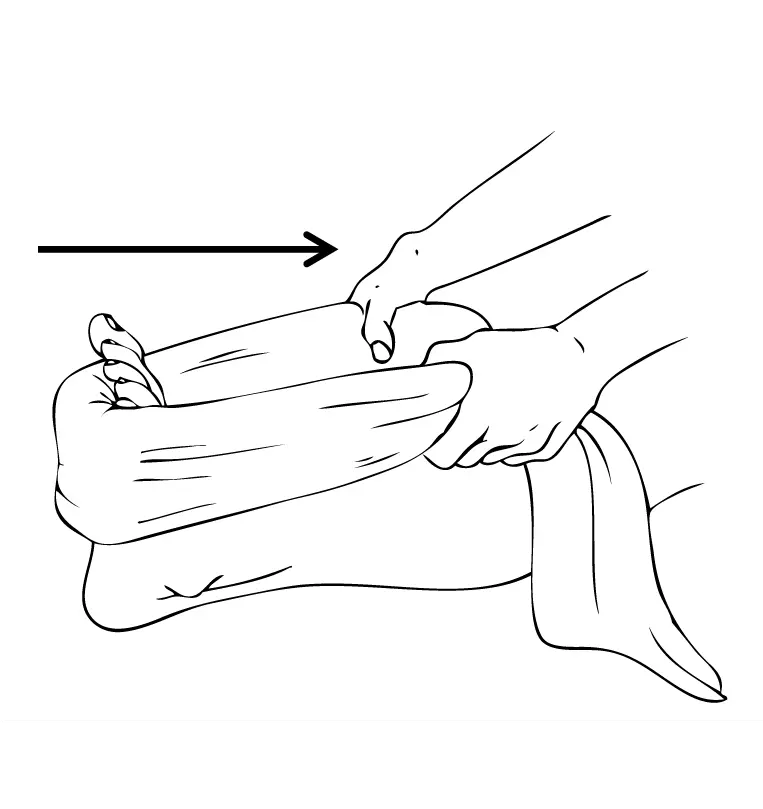
1. Towel Stretch (Great Before Getting Out of Bed)
How to do it
- Sit with your leg extended
- Place a towel around the ball of your foot
- Gently pull the towel toward you
- Feel a stretch along your arch
Hold
20–30 seconds × 3
✔ Tip
Doing this before your first morning step can reduce pain.
Why this stretch is often recommended first
In my own outpatient orthopedic practice,
the towel stretch is usually the very first exercise I recommend to patients with plantar fasciitis.
The reason is simple:
- It directly stretches the plantar fascia
- It can be done before standing or walking
- It does not require special equipment
- It is easy for patients of all ages to perform safely
Many patients report that
after performing this stretch regularly—especially before getting out of bed—
their first-step morning pain becomes noticeably less intense.
While results vary from person to person,
this stretch is one of the most consistently helpful exercises patients mention
when asked what made the biggest difference early in their recovery.
2. Wall Calf Stretch
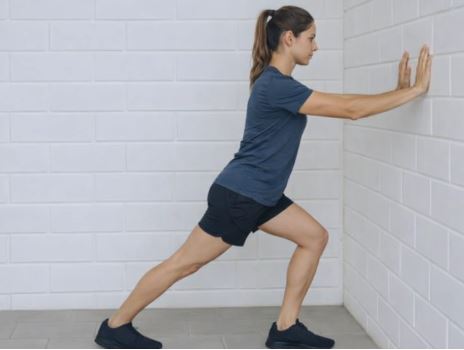
Tight calves often contribute to plantar fasciitis.
How to do it
- Place hands on a wall
- Step one foot back
- Keep the back knee straight
- Lean forward until the calf stretches
Hold
20–30 seconds × 3 per side
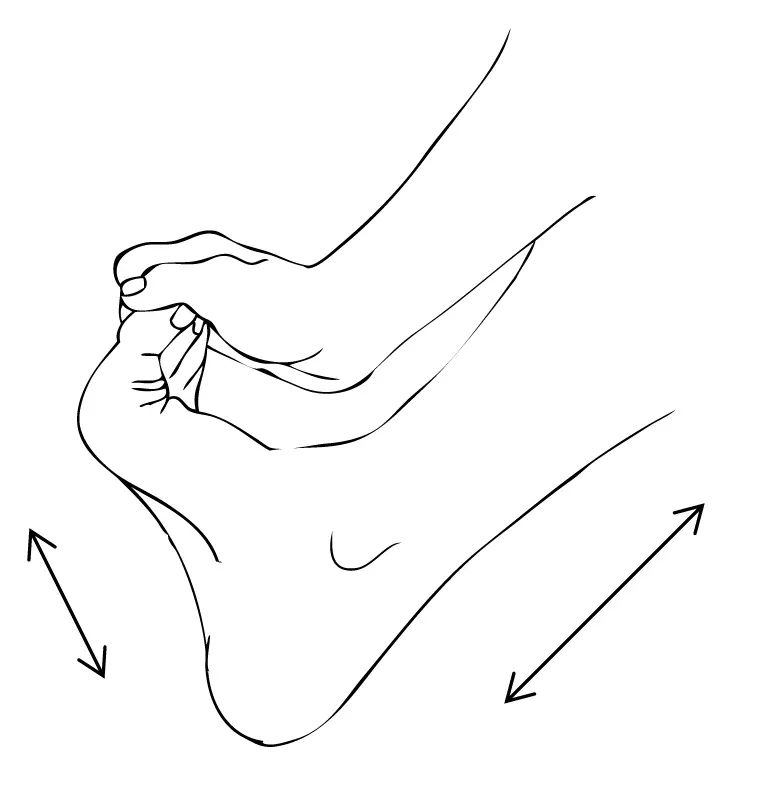
3. Toe Stretch (Plantar Fascia–Specific)
How to do it
- Sit comfortably
- Grab your toes with your hand
- Gently pull them upward
- Feel the stretch in the arch
Hold
15–20 seconds × 3–5
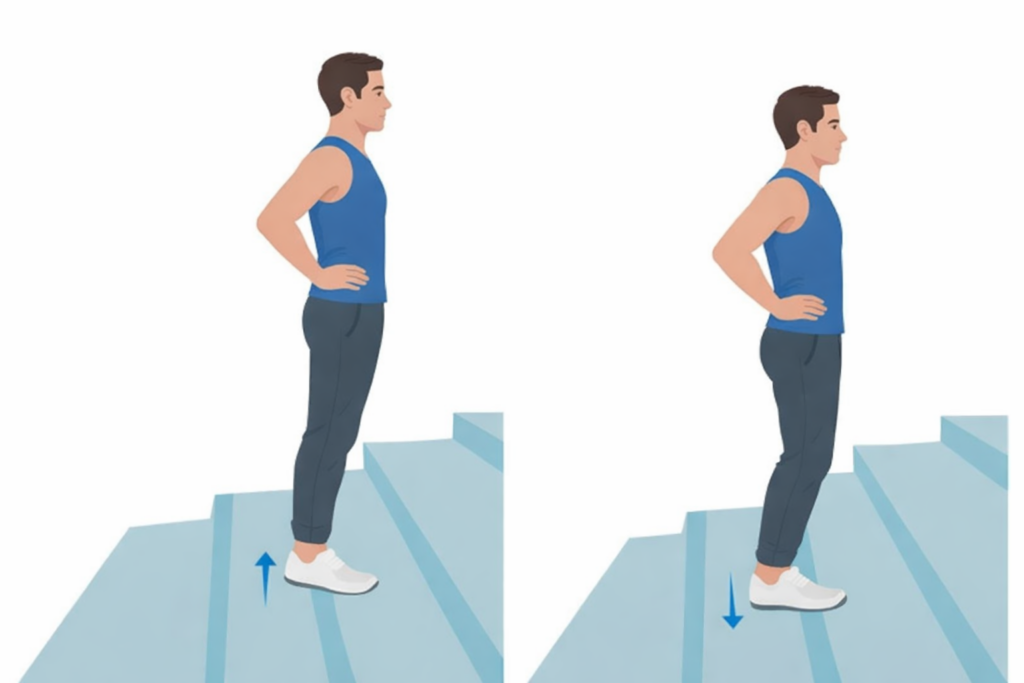
4. Stair Stretch (Achilles + Arch)
How to do it
- Stand on a step with the front of your foot
- Slowly lower your heel
- Stop when you feel a stretch
Hold
20 seconds × 3
✔ Avoid if pain is severe.
5. Ball Roll Massage
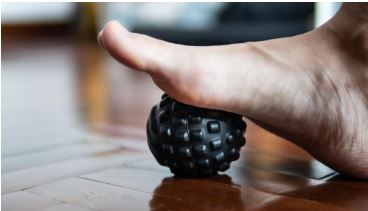
This combines stretching and massage.
How to do it
- Place a ball on the floor
- Roll it under your foot
- Apply gentle pressure
Duration
1–2 minutes
Choosing a Ball
A special medical device is not required.
Many people successfully use a golf ball, tennis ball, or a small massage ball at home.
If you prefer something designed for foot therapy,
affordable massage balls are widely available online or at sporting goods stores.
Look for one that is firm but not painful, and small enough to target the arch comfortably.
In practice, the best ball is simply the one you will use consistently.
How Often Should You Stretch?
Consistency matters more than intensity.
✔ 2–3 times per day is ideal
✔ Continue for several weeks
✔ Results are gradual, not instant
Doing stretches for only a few days
usually isn’t enough.
Are Stretches Alone Enough?
In early plantar fasciitis,
stretching plus activity modification
often leads to improvement.
But you should see a specialist if:
✔ Pain lasts several months
✔ Pain worsens over time
✔ Walking becomes difficult
✔ Rest does not help
Key Takeaway
Plantar fasciitis stretches are:
✔ Safe
✔ Low-cost
✔ Clinically supported
But they are not a one-time fix.
Steady, consistent care is the most realistic path to recovery.
Leave a Reply