Knee Pain Causes Explained
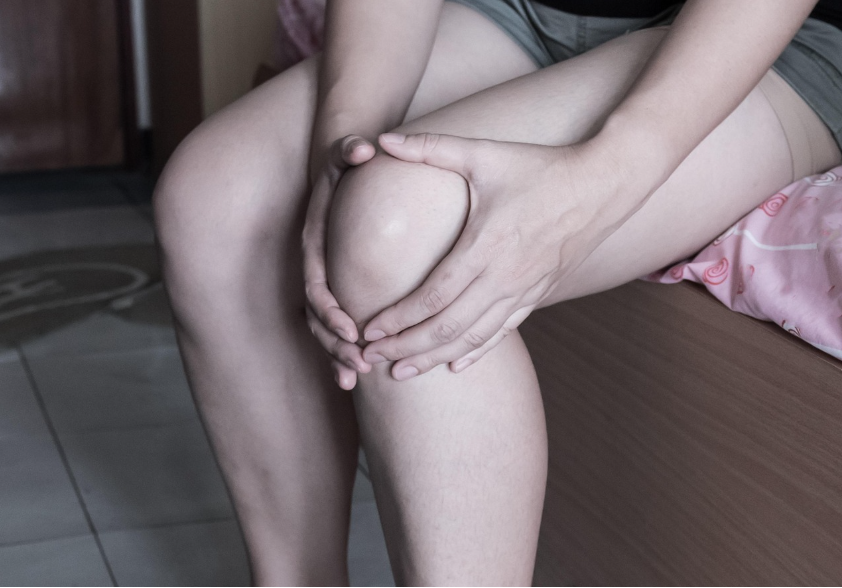
In orthopedic clinics,
patients of all ages commonly visit because of knee pain.
“My knee hurts when I go downstairs.”
“I feel a sharp pain when standing up from a squatting position.”
“My knee hurts so much that I can’t walk for a long time.”
Knee pain is rarely caused by just one single problem.
The knee is made up of many important structures —
including cartilage, meniscus, ligaments, tendons, and synovium.
Depending on which structure is affected,
the diagnosis — and the appropriate treatment — can be completely different.
In this article, we will review
the most common causes of knee pain
and explain when medical evaluation and imaging studies should be considered,
in a clear and patient-friendly way.
Why does knee pain have so many possible causes?
The knee joint:
- supports body weight
- is used repeatedly for walking, running, climbing stairs, and squatting
- has a complex anatomical structure
Because of this,
even small problems in the knee can easily result in pain.
The most common causes of knee pain include the following.
Some patients notice knee sounds even without pain.
If your knee makes popping or clicking noises but doesn’t hurt, this article explains when it’s harmless — and when evaluation may be helpful:
👉 My Knee Makes a Popping Sound When I Bend It — But It Doesn’t Hurt. Should I Get It Checked?
Common Causes of Knee Pain
● Knee Osteoarthritis
Knee osteoarthritis is the most common cause of knee pain in people over 50 years old.
As we age:
- joint cartilage gradually wears down
- the space between the bones narrows
- stiffness and pain may develop
Typical symptoms include:
- morning stiffness
- pain that worsens with prolonged walking
- increased pain when going downstairs
- clicking or cracking sounds in the knee
X-ray imaging is commonly used to evaluate joint space narrowing.
If early cartilage damage is suspected, an MRI may also be recommended.
In the early stages, symptoms can often be managed with:
- medications
- physical therapy
- injection treatments
However, when arthritis becomes advanced and symptoms do not improve with conservative treatment,
procedures such as osteotomy or knee replacement surgery may be considered.
Many patients worry that cartilage wear automatically means surgery.
If you’d like a clearer explanation of when knee replacement is truly necessary — and when it is not — you can read our detailed guide here:
👉 My Knee Cartilage Is Worn Down — Do I Really Need Knee Replacement Surgery?
● Meniscus Tear
The meniscus is a crescent-shaped structure made of collagen,
located on both the inner and outer sides of the knee.
Its main role is to absorb shock and distribute load during walking and movement.
Simply put,
the meniscus acts like a rubber pad between the bones of the knee,
reducing impact and protecting joint cartilage.
Meniscus injuries commonly occur during:
- twisting movements
- squatting and standing up
- sports activities
Common symptoms of a meniscus tear include:
- sharp pain at specific knee angles
- a catching or locking sensation
- difficulty fully bending or straightening the knee
- sudden feelings of the knee “giving way”
→ Unlike simple knee pain,
mechanical symptoms are a key feature.
MRI is the most useful test to identify the location and pattern of a meniscus tear.
Depending on the patient’s age, symptoms, and tear location,
treatment may range from conservative care to arthroscopic surgery for meniscal repair.
Being told that your meniscus is torn can sound alarming.
To understand whether a meniscus tear is truly serious — and when surgery is actually needed — you may find this guide helpful:
👉 I Was Told My Meniscus Is Torn — Is It Serious?
● Patellofemoral Pain Syndrome (Anterior Knee Pain)
Patellofemoral pain syndrome is commonly seen in younger individuals.
It occurs when irritation develops between the patella (kneecap)
and the femur (thigh bone).
Pain is typically felt in the front of the knee, especially:
- when standing up after prolonged sitting (for example, in a movie theater)
- while going up or down stairs
- as a dull, aching pain around the kneecap
This condition is often related to:
- imbalance of thigh muscles
- abnormal knee alignment
- overuse
Because it is usually a functional rather than structural problem,
treatment focuses on:
- activity modification
- pain control
- quadriceps strengthening exercises
If symptoms persist despite conservative treatment,
MRI may be performed to evaluate possible cartilage damage.
Anterior knee pain often becomes noticeable during daily movements such as stair descent.
If you mainly feel pain in the front of the knee when going downstairs, this article may help you better understand the cause:
👉 Pain in the Front of the Knee When Going Down Stairs?
● Ligament Injuries (ACL, MCL, etc.)
Ligament injuries should be suspected when knee pain occurs after trauma, such as:
- falling
- sports injuries
- sudden changes in direction
Common findings include:
- rapid swelling after injury
- knee instability
- a feeling that the knee may give way
MRI is often required for accurate assessment.
Anterior cruciate ligament (ACL) injuries frequently require surgical reconstruction,
while injuries to other ligaments such as the medial collateral ligament (MCL)
may be treated conservatively with bracing, depending on severity.
Treatment decisions depend on:
- the specific ligament involved
- injury severity
- patient age and activity level
A thorough evaluation by an orthopedic specialist is essential.
● Increased Joint Effusion Due to Infection
Fluid accumulation in the knee usually indicates inflammation inside the joint.
While joint effusion can occur from arthritis or internal injury,
it may also result from bacterial infection, especially in patients with:
- diabetes
- frequent prior joint injections
- weakened immune systems
If knee pain is accompanied by:
- significant warmth
- severe pain
- inability to bend or straighten the knee
joint infection must be ruled out urgently.
Infected joints require immediate antibiotic treatment and, in some cases,
arthroscopic surgery to remove infected tissue.
Many patients become concerned simply because fluid is found in the knee.
If you’re wondering whether knee fluid always needs to be drained, this article explains when aspiration is necessary — and when observation may be enough:
👉 There’s Fluid in My Knee — Do I Really Need to Have It Drained?
When should you seek medical evaluation?
Medical evaluation should be considered if:
- knee pain lasts longer than two weeks
- the knee repeatedly swells or fills with fluid
- pain occurs with specific movements (such as squatting)
- locking or giving-way sensations are present
- severe pain with warmth and swelling occurs (this may indicate infection and requires emergency care)
Depending on symptoms, your physician may recommend:
- X-ray
- ultrasound
- MRI
- joint fluid analysis
After evaluation, treatment options may include medications, physical therapy, or injections.
If you have concerns about knee injections — including safety and possible side effects — this article provides a clear explanation:
👉 Are Knee Injections Safe? Benefits, Side Effects, and What You Should Know
A final message from the clinic
- Knee pain has many possible causes
- Symptoms alone are often insufficient for diagnosis
- Pain location, pattern, and triggering movements are important clues
- Early and accurate diagnosis allows more effective treatment and faster recovery
If knee pain continues or progressively worsens,
evaluation by an orthopedic specialist is strongly recommended.
Leave a Reply