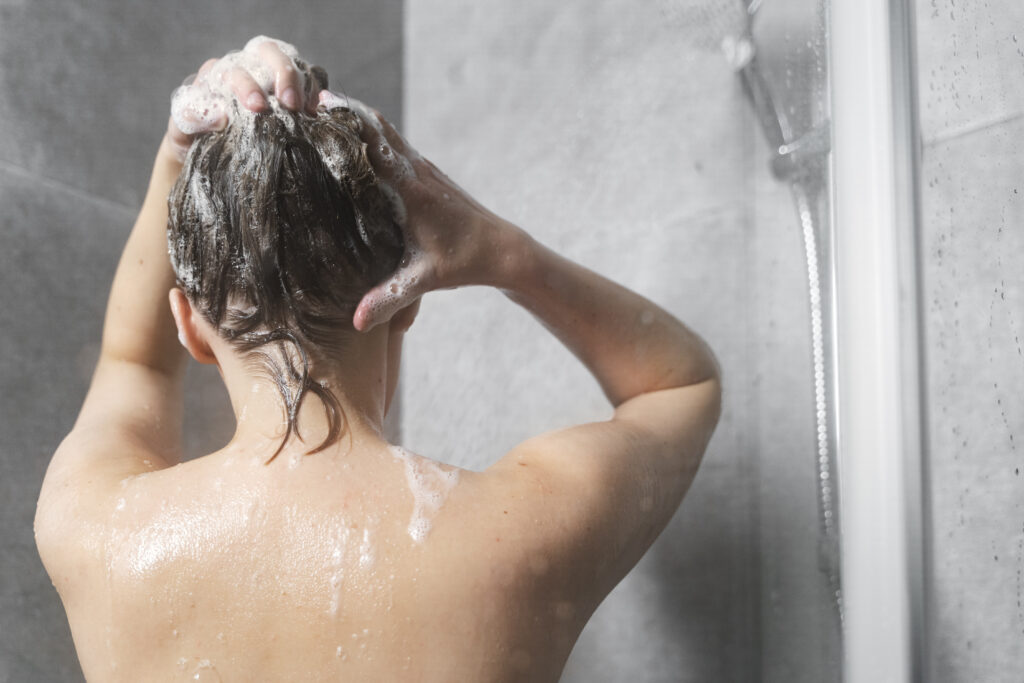
Whether someone has a small finger laceration repaired
or undergoes a major procedure such as total knee replacement,
there is one question patients almost always ask during postoperative rounds.
“When can I take a shower?”
After fasting before surgery and spending several uncomfortable days in the hospital,
many patients simply want to feel clean again.
That feeling is completely understandable.
However, when it comes to showering after surgery,
there is no single answer that applies to everyone.
Some people can shower relatively early.
Others need to wait longer.
The reason is simple:
the timing depends on the condition of the surgical wound and the type of surgery performed.
What is the most important factor?
The single most important question is this:
👉 Is the surgical wound ready to be exposed to water?
When we make that decision, several factors are considered:
- Is the incision fully closed?
- Are sutures or staples still in place?
- Is a waterproof dressing being used?
- Is there drainage, bleeding, redness, or signs of infection?
Depending on these factors, the recommended timing for showering can vary.
In the clinic, this is why two patients who had surgery on the same day may receive different instructions.
If sutures are still in place
When stitches have not yet been removed,
routine showering is usually not recommended.
At this stage:
- the wound has not fully healed
- bacteria can enter through moisture
- the risk of infection is higher
That said, in some situations,
✔ if a waterproof dressing is well maintained
✔ and the incision is carefully protected
a brief shower may be allowed.
This should always be done according to the surgeon’s specific instructions.
Special caution after joint or spine surgery
Extra caution is required after procedures such as:
- joint replacement surgery
- spine surgery
If infection develops after these operations, treatment can be prolonged and complex.
In some cases, patients may require:
- long-term intravenous antibiotics
- or even additional surgery, such as revision of an artificial joint
For this reason, in outpatient follow-up, we usually explain that
showering should wait until all sutures are completely removed for these types of procedures.
In short, when it comes to showering after surgery,
the surgeon’s guidance should always take priority.
After suture removal
In many cases,
showering becomes possible after the stitches are removed.
At this point, the incision has usually stabilized,
and brief contact with clean water is much less likely to cause infection.
Even then, a few precautions are important:
- avoid very hot water
- do not scrub the incision
- gently pat the area dry afterward
- check the wound after showering
Patients often ask,
“Does this mean I can take a long bath or go to a public bathhouse?”
The answer is no.
Even after suture removal,
soaking the wound for a long time should still be avoided.
What if the waterproof dressing comes loose?
Nowadays, many patients are discharged with waterproof dressings applied.
These dressings can allow earlier showering by protecting the incision from direct water exposure.
However, even waterproof dressings are not perfect.
If:
- the dressing becomes loose
- water leaks underneath
- or the edges lift
the dressing should be replaced promptly.
For this reason, showering still needs to be done carefully.
In my own practice, especially for arm or leg surgeries,
I often advise patients to place a plastic cover over the dressing as an extra layer of protection.
It may feel inconvenient, but this small step can significantly reduce infection risk.
What about baths, saunas, and swimming?
Unlike showering, activities such as:
- baths
- saunas
- hot tubs
- swimming
are much more strictly restricted.
These environments involve:
- prolonged soaking
- warm and humid conditions
- significantly higher infection risk
In most cases, they are only allowed:
👉 after the incision has completely healed
👉 and after the surgeon has confirmed it is safe
For many patients, this means waiting several weeks after surgery.
When should showering be delayed?
Before showering, it is best to contact your medical team if you notice:
- increasing redness around the incision
- drainage or pus
- worsening pain or warmth
- sudden bleeding
These signs may indicate delayed healing or infection
and should be evaluated before exposing the wound to water.
Showering is one of the most common questions patients have after surgery.
To better understand how daily activities fit into the overall recovery timeline — including pain control, swelling, and rehabilitation — you can review our comprehensive guide here:
👉 Postoperative Orthopedic Care: What You Really Need to Know
In summary
There is no fixed number of days after surgery when showering becomes safe.
The decision depends on:
- whether sutures are still present
- the condition of the wound
- the type of dressing used
In general:
- before suture removal → only careful showering with proper protection
- after suture removal → normal showering is usually possible
- several weeks later → baths, saunas, and swimming may be allowed (only after discussion with the surgeon)
Most importantly,
follow instructions based on your own surgical wound — not someone else’s timeline.
Waiting a little longer may feel frustrating,
but protecting the incision early can prevent serious complications later.
When in doubt, it is always safest to ask the surgeon who performed your operation.
Leave a Reply